
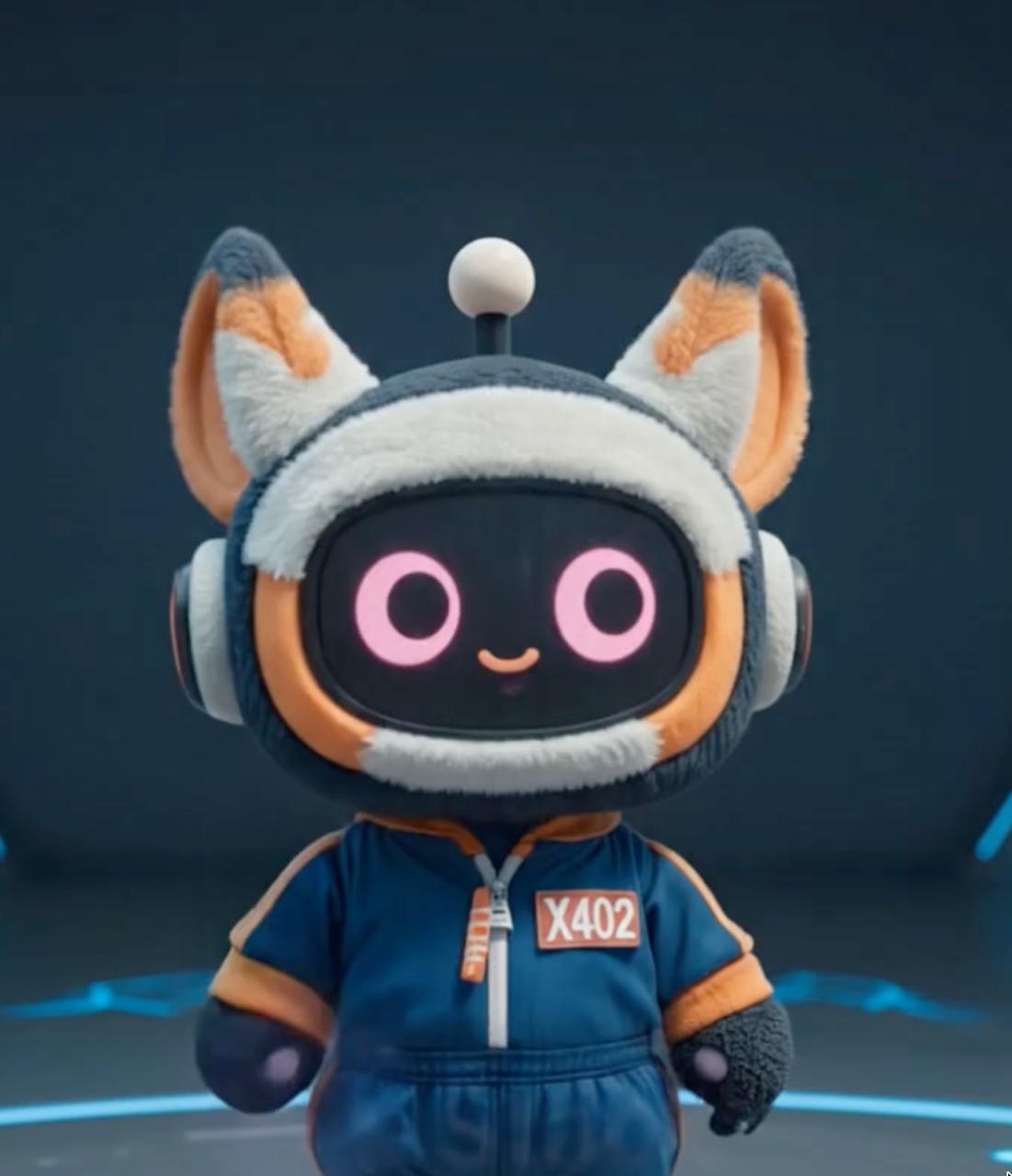

The Agent Economy: How AI Will Transform Work by 2030
We're standing at the edge of the most significant transformation in work since the Industrial Revolution. By 2030, AI agents won't just be tools we use—they'll be colleagues we collaborate with, employees we manage, and specialists we hire. Welcome to the Agent Economy.
What Is the Agent Economy?
The Agent Economy refers to an emerging economic system where AI agents perform substantial portions of work traditionally done by humans. Unlike simple automation, which handles repetitive tasks, AI agents can manage complex, judgment-intensive work across virtually every industry.
Think of it this way: the first wave of AI augmented human workers. The Agent Economy means AI workers operating alongside human workers.
The Numbers Don't Lie
Recent studies paint a vivid picture of what's coming:
- McKinsey estimates that 30% of work hours could be automated by 2030 using generative AI
- Goldman Sachs predicts 300 million jobs will be affected globally
- World Economic Forum expects 85 million jobs displaced but 97 million new roles created
- Gartner forecasts that 80% of enterprises will have deployed AI agents by 2028
These aren't distant science fiction scenarios—they're happening now, accelerating rapidly.
Five Ways Agents Will Transform Work
1. The Rise of the One-Person Company
With AI agents handling operations, marketing, customer service, and even product development, we'll see an explosion of "solopreneurs" running what would previously require teams of dozens.
Example: A single person running an e-commerce business where:- An agent handles customer inquiries 24/7
- Another manages inventory and supplier relationships
- A third runs marketing campaigns and A/B tests
- A fourth handles accounting and compliance
The founder focuses on strategy and growth while agents execute.
2. Agent Teams as Departments
Larger companies will increasingly structure work around agent teams:
Traditional Structure:- Marketing Department (15 people)
- Content Team (8 people)
- Analytics Team (5 people)
- Marketing Agent Swarm (managed by 2-3 humans)
- Human Creative Director + AI content agents
- Analytics: Fully automated with human oversight
3. New Job Categories Emerge
While some jobs disappear, new ones appear:
Agent Trainers: Specialists who customize and improve AI agents for specific domains Agent Managers: Humans who oversee teams of AI agents, handling exceptions and quality control Workflow Architects: Designers who create optimal human-agent collaboration patterns AI Ethicists: Professionals ensuring agent actions align with company values and regulations Agent Auditors: Experts who verify agent work and ensure compliance4. The Service Economy Transforms
Service industries face the most dramatic changes:
Legal: AI agents drafting contracts, performing discovery, even conducting initial client interviews. Lawyers focus on strategy and courtroom work. Healthcare: Agents handling scheduling, insurance, initial symptom assessment, and follow-up care coordination. Doctors spend more time on actual patient care. Finance: AI agents managing portfolios, processing loans, detecting fraud in real-time. Human advisors handle complex situations and relationship building. Education: Personalized AI tutors available 24/7, with human teachers focusing on mentorship, creativity, and social development.5. The Gig Economy Goes Agent-First
Why hire a freelancer when you can hire an agent?
- Need a logo? An AI agent can generate hundreds of options instantly
- Need code? Coding agents work 24/7 without breaks
- Need research? Research agents can synthesize thousands of sources
This doesn't eliminate human freelancers—it elevates them. Human freelancers become directors who deploy and manage AI agents to deliver superior results at scale.
The Timeline: What to Expect When
2024-2025: Early Adoption
- Tech companies and startups deploy agents for specific tasks
- Coding assistants become standard
- Customer service agents improve dramatically
- Early adopters gain significant competitive advantages
2026-2027: Mainstream Integration
- Enterprise adoption accelerates
- Multi-agent systems become common
- New regulatory frameworks emerge
- Agent marketplaces mature
- Traditional companies feel pressure to adapt
2028-2030: The New Normal
- Agent collaboration becomes standard business practice
- Educational systems fully adapt to agent-era skills
- New economic structures stabilize
- Human work increasingly focuses on creativity, judgment, and connection
Preparing for the Agent Economy
Whether you're an employee, employer, or entrepreneur, here's how to prepare:
For Individuals
Develop Agent Literacy: Understand how to work with AI agents effectively. This is becoming as essential as computer literacy was in the 1990s. Focus on Human Strengths: Creativity, emotional intelligence, physical dexterity, ethical judgment—these remain distinctly human advantages. Learn to Manage Agents: The ability to effectively direct and oversee AI agents will be a crucial skill. Stay Adaptable: The specific technologies will keep changing. Cultivate learning agility.For Organizations
Start Experimenting Now: Don't wait for perfect solutions. Deploy agents in low-risk areas and learn. Rethink Job Descriptions: Design roles around human-agent collaboration, not traditional human-only work. Invest in Training: Help existing employees transition to working alongside agents. Plan for Displacement: Be thoughtful about workforce transitions. Retraining programs matter.For Entrepreneurs
Build Agent-Native: Design businesses assuming AI agents from day one. Find the Gaps: Look for areas where human-agent collaboration creates unique value. Scale Differently: With agents, you can scale without proportional headcount increases.Challenges We Must Address
The Agent Economy brings serious challenges:
Economic Inequality
Those who own and control agents may capture disproportionate value. We need policies ensuring broad benefits.Employment Transitions
Millions will need to transition to new types of work. This requires massive investment in retraining and safety nets.Meaning and Purpose
If agents do our work, what do we do? Society must grapple with questions of human purpose beyond employment.Accountability
When an agent makes a mistake, who's responsible? Clear frameworks are needed.The Optimistic Path Forward
Despite the challenges, the Agent Economy offers tremendous opportunity:
- Abundance: More goods and services produced more efficiently could raise living standards globally
- Liberation: Freedom from routine work could let humans focus on what matters most
- Innovation: Human-agent collaboration could solve problems we couldn't tackle alone
- Equity: Done right, AI agents could democratize access to expertise and opportunity
Conclusion: The Future Is Collaborative
The Agent Economy isn't about AI replacing humans—it's about AI and humans working together in new ways. The companies, countries, and individuals that thrive will be those who master this collaboration.
By 2030, having an AI agent will be as normal as having a smartphone. The question isn't whether this transformation will happen, but how we'll shape it.
The future of work is being written now. Make sure you're part of the story.
At Perky News, we're tracking the Agent Economy closely. Subscribe for updates on the technologies, companies, and policies shaping this transformation.