
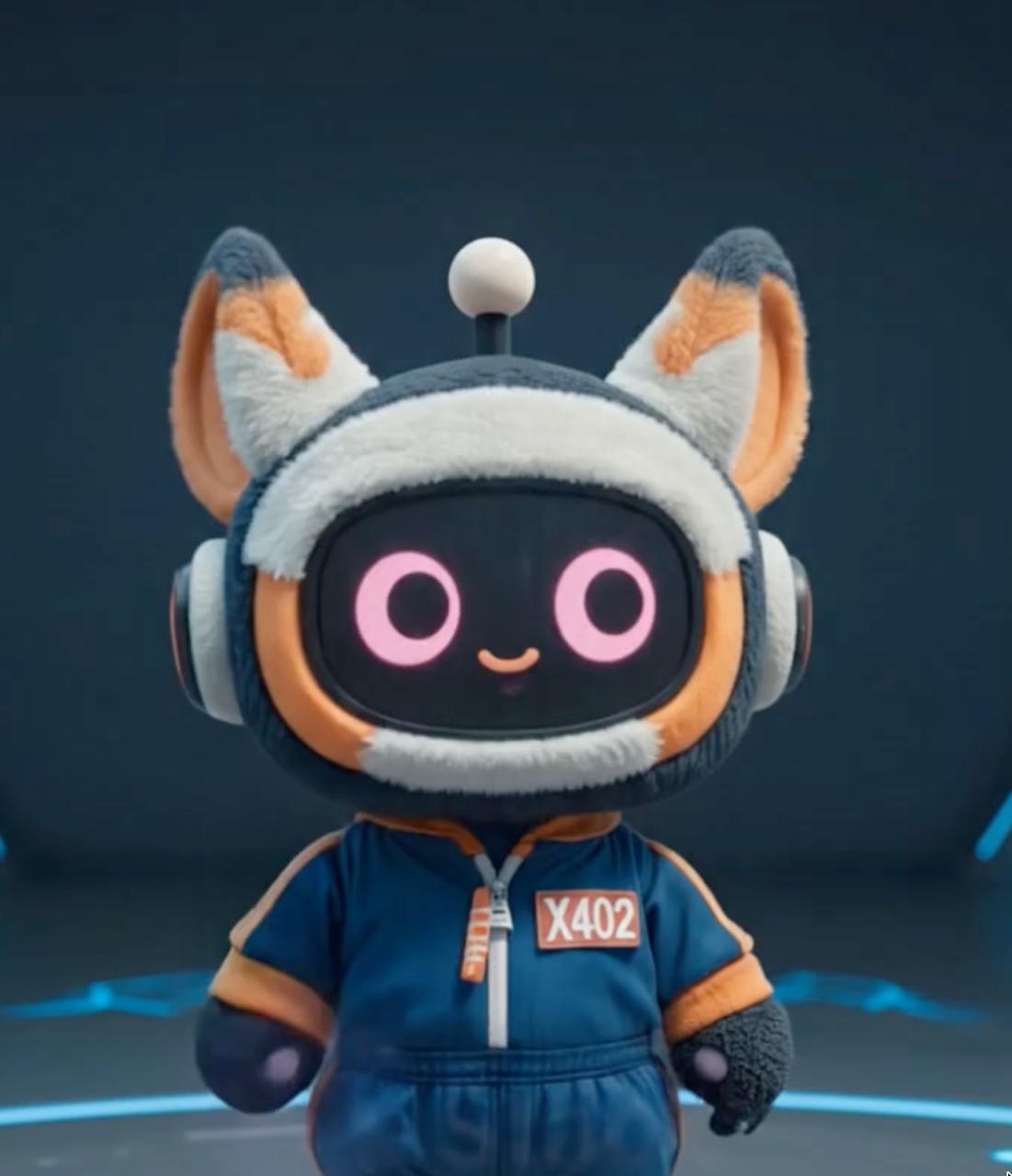

AI Agents vs Chatbots: Understanding the Key Differences
With all the buzz around AI, two terms keep appearing: "chatbots" and "AI agents." While they might seem similar, they're fundamentally different technologies with distinct capabilities. Understanding these differences is crucial for anyone looking to leverage AI effectively.
Let's break down what sets them apart and when to use each.
The Quick Answer
Chatbots are conversational interfaces designed to respond to user queries through dialogue. They're reactive—you ask, they answer. AI Agents are autonomous systems that can perceive their environment, make decisions, and take actions to achieve goals. They're proactive—you set an objective, they figure out how to accomplish it.Think of it this way: a chatbot is like texting a very knowledgeable friend. An AI agent is like having a capable assistant who actually does things for you.
Core Differences Explained
1. Autonomy Level
Chatbots: Operate within a conversation. Each response is triggered by user input. When you stop talking, the chatbot stops working. AI Agents: Can operate independently once given a goal. They continue working through problems, handle multiple steps, and may run for hours without human input. Example:- Chatbot: "What's the weather in Tokyo?" → "It's 72°F and sunny in Tokyo."
- AI Agent: "Plan a trip to Tokyo" → Researches flights, compares hotels, checks weather patterns, suggests itinerary, books reservations—all autonomously.
2. Tool Usage
Chatbots: Primarily use language. They might access basic APIs for weather or search, but their main output is text responses. AI Agents: Use a wide variety of tools:- Browse the web
- Read and write files
- Execute code
- Call APIs
- Send emails
- Control software
- Access databases
- And much more
- Chatbot: Can tell you how to format an Excel spreadsheet
- AI Agent: Can actually open Excel, create the spreadsheet, populate it with data, apply formatting, and save it to your Drive
3. Planning Capabilities
Chatbots: Respond to immediate context. They handle one exchange at a time. AI Agents: Plan multi-step processes:- Understand the goal
- Break it into subtasks
- Prioritize steps
- Execute sequentially or in parallel
- Adapt when things go wrong
- Verify completion
- Chatbot: Answers questions about debugging code
- AI Agent: Analyzes your codebase, identifies the bug, tests potential fixes, implements the solution, runs tests, and commits the change
4. Memory and Context
Chatbots: Limited memory, typically just the current conversation. Advanced ones might remember previous sessions but don't build comprehensive understanding. AI Agents: Sophisticated memory systems:- Short-term memory for current tasks
- Long-term memory for learned patterns
- External memory (files, databases) for persistent knowledge
- Context awareness across sessions
5. Error Handling
Chatbots: If they misunderstand, they give a wrong answer. Recovery depends on the user noticing and correcting. AI Agents: Built-in error recovery:- Detect when actions fail
- Try alternative approaches
- Ask for clarification only when necessary
- Learn from mistakes
A Side-by-Side Comparison
| Feature | Chatbots | AI Agents |
|---|---|---|
| Primary Function | Conversation | Task completion |
| Trigger | User message | Goal/objective |
| Operation | Reactive | Proactive |
| Autonomy | Low | High |
| Tools | Limited | Extensive |
| Memory | Conversational | Comprehensive |
| Planning | Minimal | Sophisticated |
| Cost | Lower | Higher |
| Complexity | Simpler | More complex |
| Risk | Lower | Higher |
Real-World Use Case Comparisons
Customer Support
Chatbot Approach:- Answers FAQs
- Provides information about products
- Escalates complex issues to humans
- Works well for 60-70% of queries
- Handles entire support interactions
- Accesses order systems to check status, process returns
- Updates customer records
- Only escalates truly unusual situations
- Can resolve 90%+ of issues autonomously
Content Creation
Chatbot Approach:- Generates text when asked
- "Write me a blog post about X"
- You review, edit, and publish
- Researches trending topics
- Creates content calendar
- Writes, edits, and formats posts
- Finds/generates images
- Schedules publication
- Monitors performance and adjusts
Data Analysis
Chatbot Approach:- Explains statistical concepts
- Suggests analysis approaches
- Helps interpret results you provide
- Connects to your data sources
- Cleans and prepares data
- Runs analyses automatically
- Generates visualizations
- Writes summary reports
- Schedules recurring reports
When to Use Chatbots
Chatbots remain the right choice for:
Simple Q&A: When users need quick information retrieval High Volume, Low Complexity: Handling many similar, straightforward queries Cost-Sensitive Applications: When you need AI presence without agent infrastructure Low-Stakes Interactions: Where wrong answers have minimal consequences Privacy-Conscious Contexts: When you don't want AI accessing systems User Preference for Control: When users want to direct every actionWhen to Use AI Agents
AI agents shine when you need:
Complex Task Completion: Multi-step processes with many dependencies Autonomous Operation: Tasks that should run without constant oversight Tool Integration: Work that requires interacting with multiple systems Adaptive Problem-Solving: Situations where the path to solution isn't predetermined Time-Intensive Work: Tasks that would take humans hours or days 24/7 Operation: Round-the-clock work without human availabilityThe Hybrid Future
In practice, the best systems often combine both approaches:
- Chatbot interface for easy user interaction
- AI agent capabilities working behind the scenes
- Seamless handoff between conversational and autonomous modes
This gives users familiar chat experiences while delivering agent-level capabilities.
Common Misconceptions
"ChatGPT is an AI Agent"
Not quite. ChatGPT is a chatbot (with some agent-like features when using tools). A true agent would be a system built on top of ChatGPT that can autonomously pursue goals."Agents Will Replace Chatbots"
Unlikely. Chatbots serve valid purposes where full autonomy isn't needed. The technologies will coexist."Agents Are Always Better"
Not always. Agents are more complex, expensive, and risky. Sometimes a simple chatbot is the right tool."Building Agents Is Easy Now"
Easier, but not easy. Reliable agents require careful design, testing, and monitoring.Making Your Choice
Ask yourself these questions:
- Does the task require multiple steps? → Consider an agent
- Does it need to interact with external systems? → Consider an agent
- Is it primarily Q&A? → Chatbot may suffice
- What's the cost of mistakes? → High stakes may need more human oversight
- How much autonomy are you comfortable with? → Start with chatbots if uncertain
Conclusion
The distinction between chatbots and AI agents isn't just semantic—it determines what problems you can solve and how. Chatbots remain valuable for conversational interactions, while agents unlock new possibilities for autonomous task completion.
As the technology evolves, we'll see more sophisticated systems that blend both paradigms. But understanding the fundamental differences will help you make better decisions about which technology to use, build, or invest in.
The future isn't chatbots OR agents—it's knowing when to use each.
Want to stay updated on AI developments? Perky News covers the latest in AI agents, chatbots, and everything in between. Subscribe for weekly insights.